
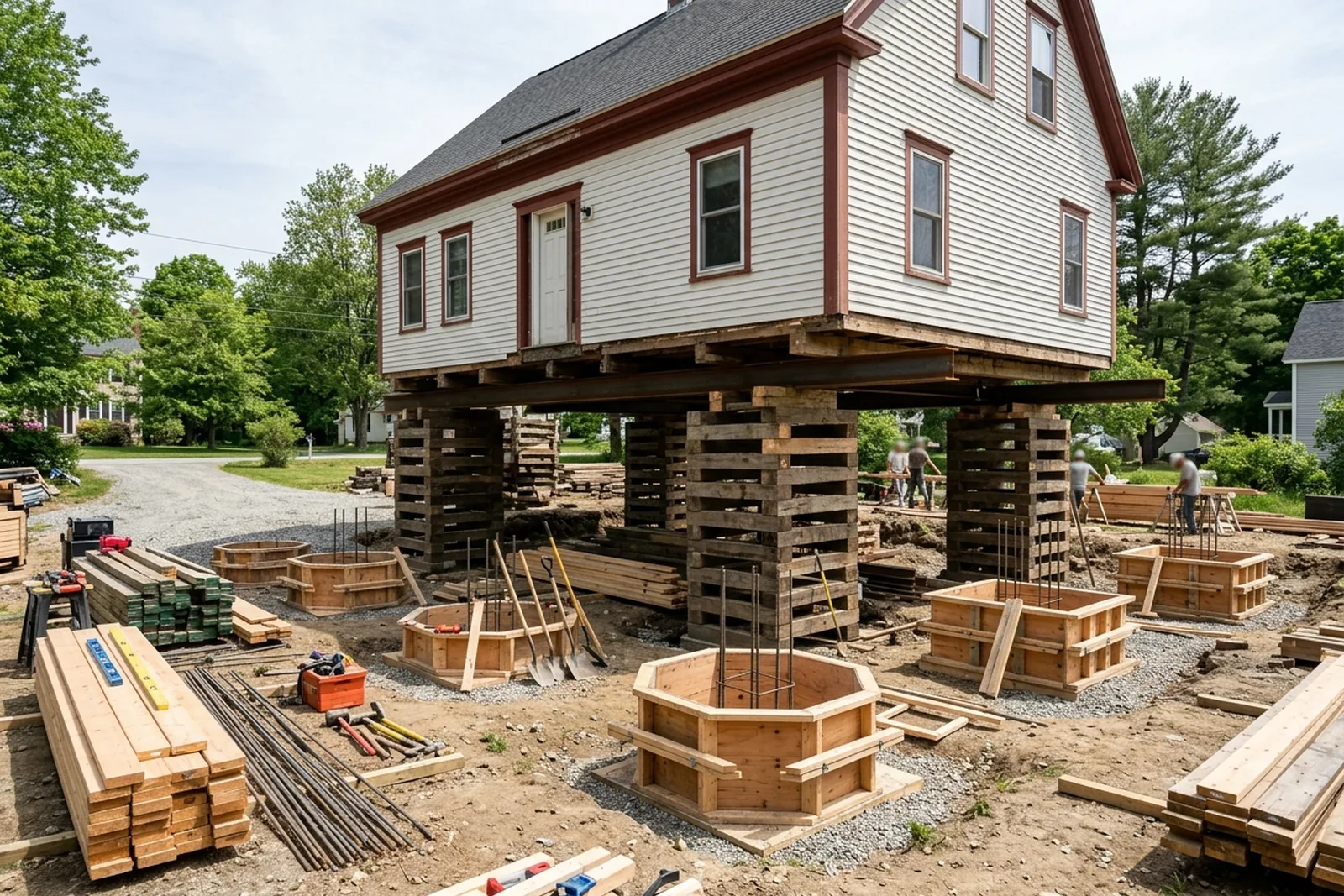
Homeowners usually ask two questions first: how much, and how long. The cost depends on the house (see our cost guide). The timeline depends mostly on paperwork. The physical lift is often the fastest part.
A typical timeline
| Phase | Typical length |
|---|---|
| Inspection, survey and estimate | 1–3 weeks |
| Engineering plans | 2–6 weeks |
| Permits | 2–8 weeks, depending on the parish or city |
| Preparation and utility disconnects | Several days to 2 weeks |
| Lift and new foundation | 2–8 weeks |
| Reconnect utilities, stairs, final inspection | 1–4 weeks |
For a privately funded raise, that adds up to roughly three to six months from first call to moving back in. Grant-funded projects can take much longer before construction starts, often a year or more, because of FEMA and state reviews.
What slows things down
- Grant approvals. HMGP and FMA projects need environmental and cost reviews before any work begins. See FEMA elevation grants.
- Weather. Heavy rain softens the ground and halts foundation work, and hurricane season can pause jobs.
- Contractor backlog. After a major flood, experienced crews book up fast.
- Surprises underneath. Rot, termite damage or a weak slab may need extra work.
Plan to move out
You cannot live in a house while it is disconnected and on cribbing. Plan for temporary housing for at least the construction phase, and talk with your contractor about the realistic date for utility reconnection and final inspection before signing a lease.
Common questions
How long is the house actually in the air?
Usually a few weeks. The house sits on temporary cribbing while the new foundation is built, and the length depends on foundation type, weather and inspections.